Skip to content
The Montessori Place
The Young People's Community at Eason's Green

12 to 18 years

Young People's Community

Study, work and community for the adolescent.

The developmental stage

The adolescent, building an adult self through real work.

Adolescence is a time of profound change. The Young People's Community answers it with true responsibility, meaningful work, an intellectually serious study programme, and a community -a real, living, mixed-age, microcosm of society - that the young people themselves help to run.

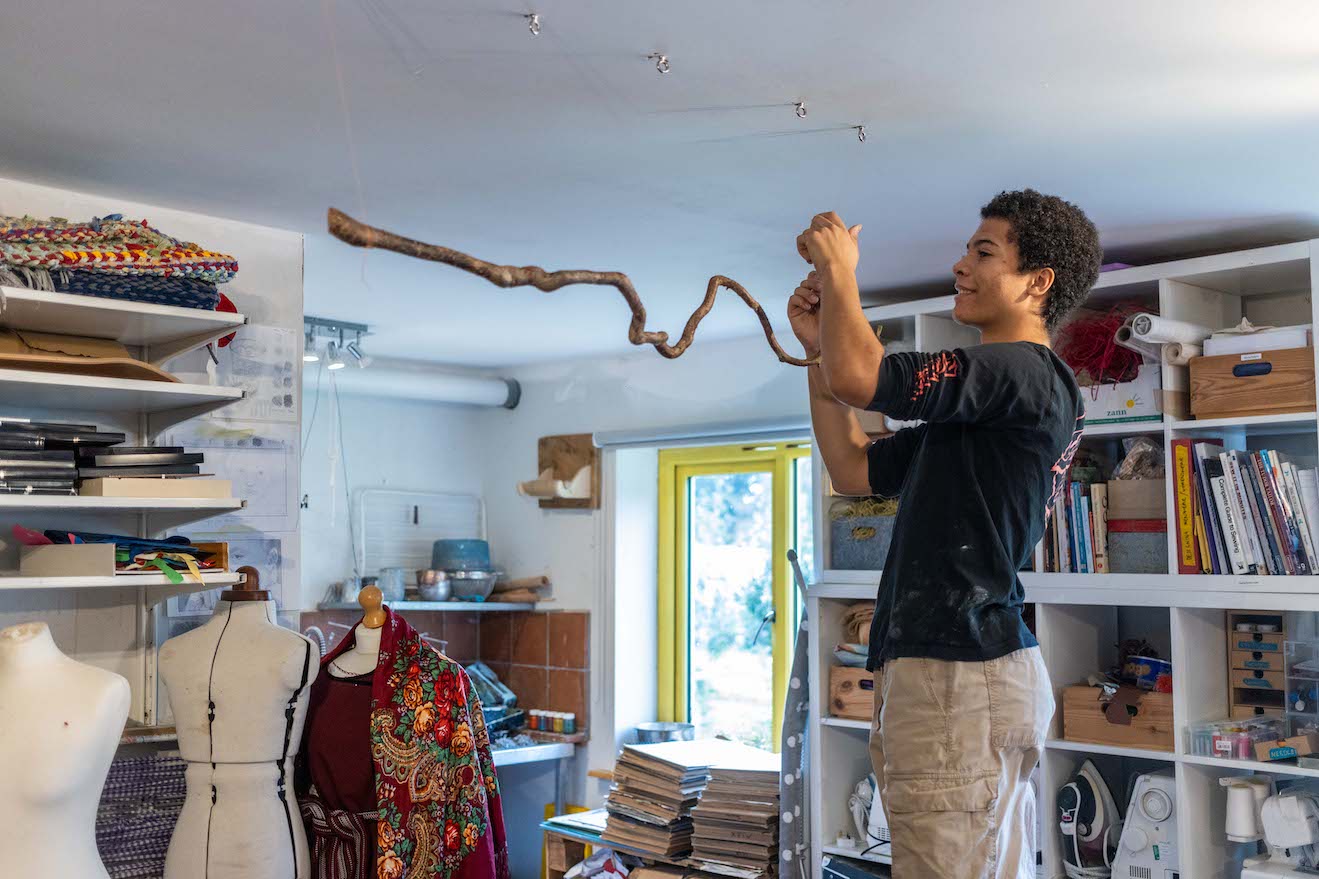
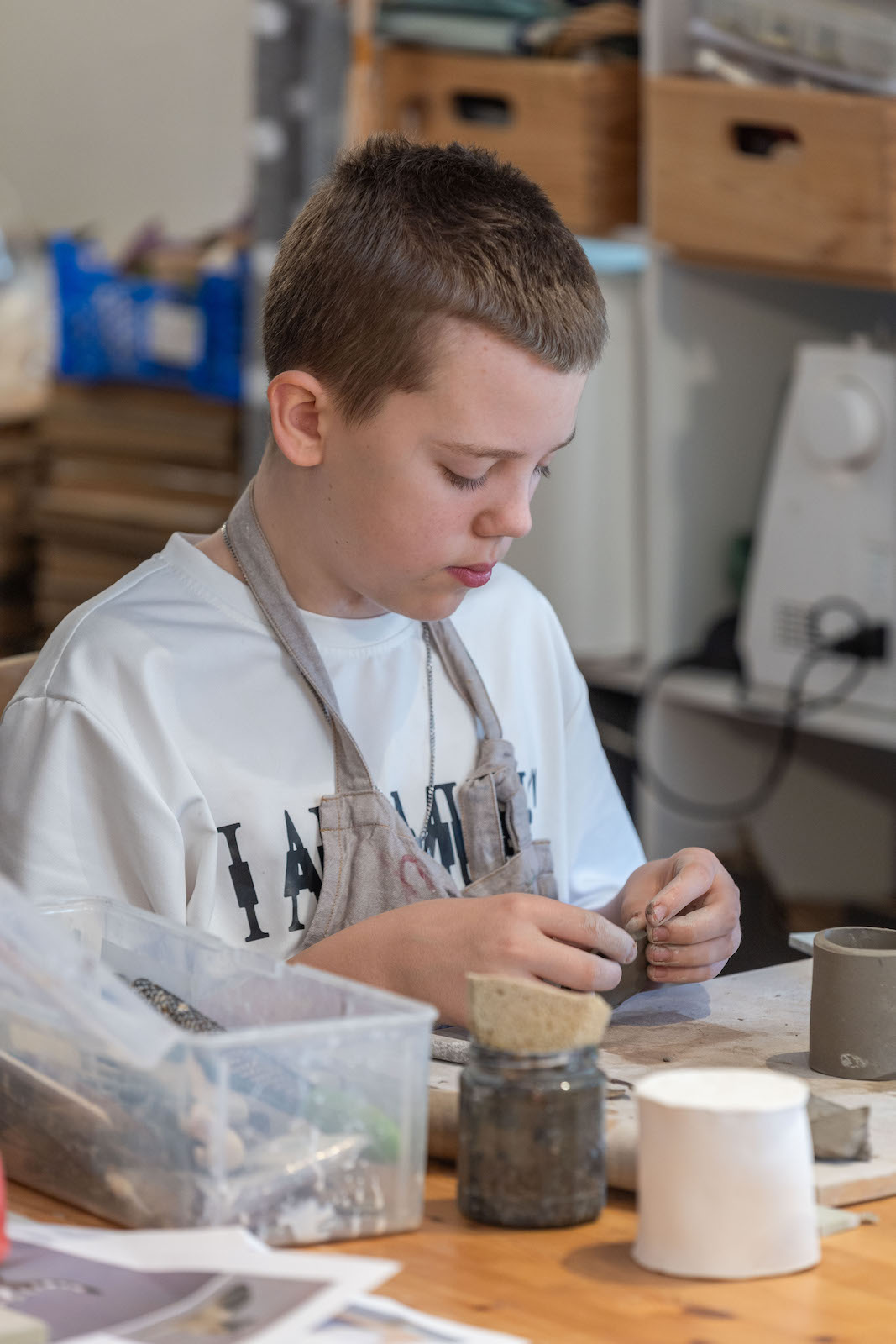
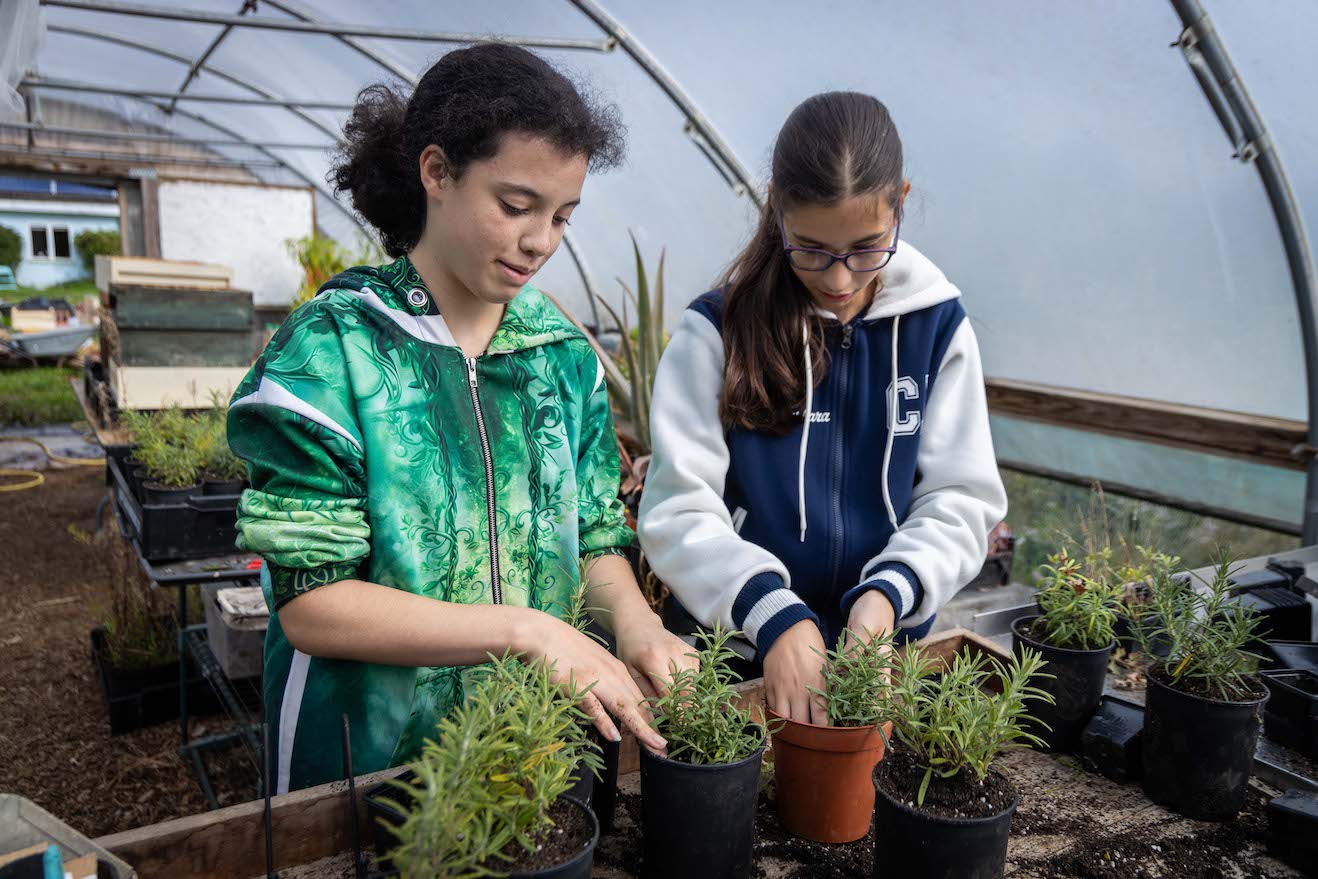
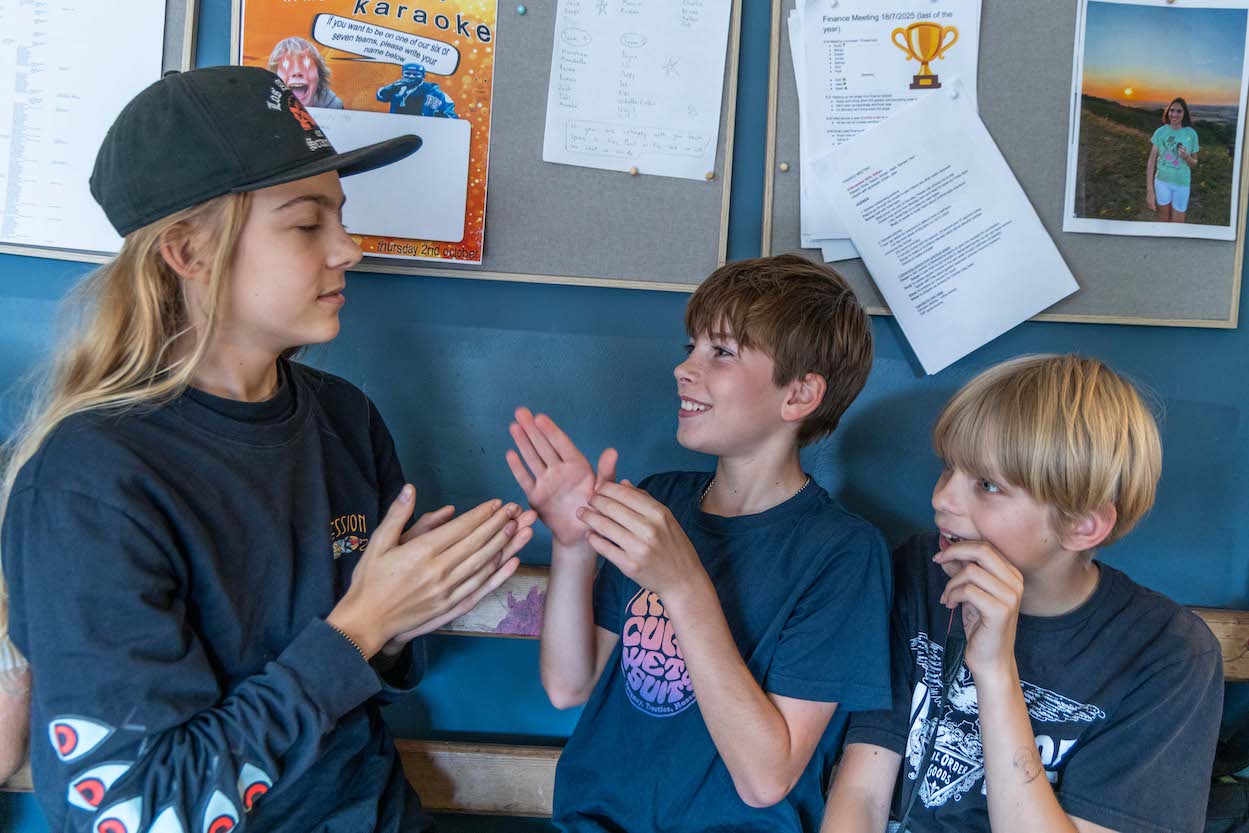
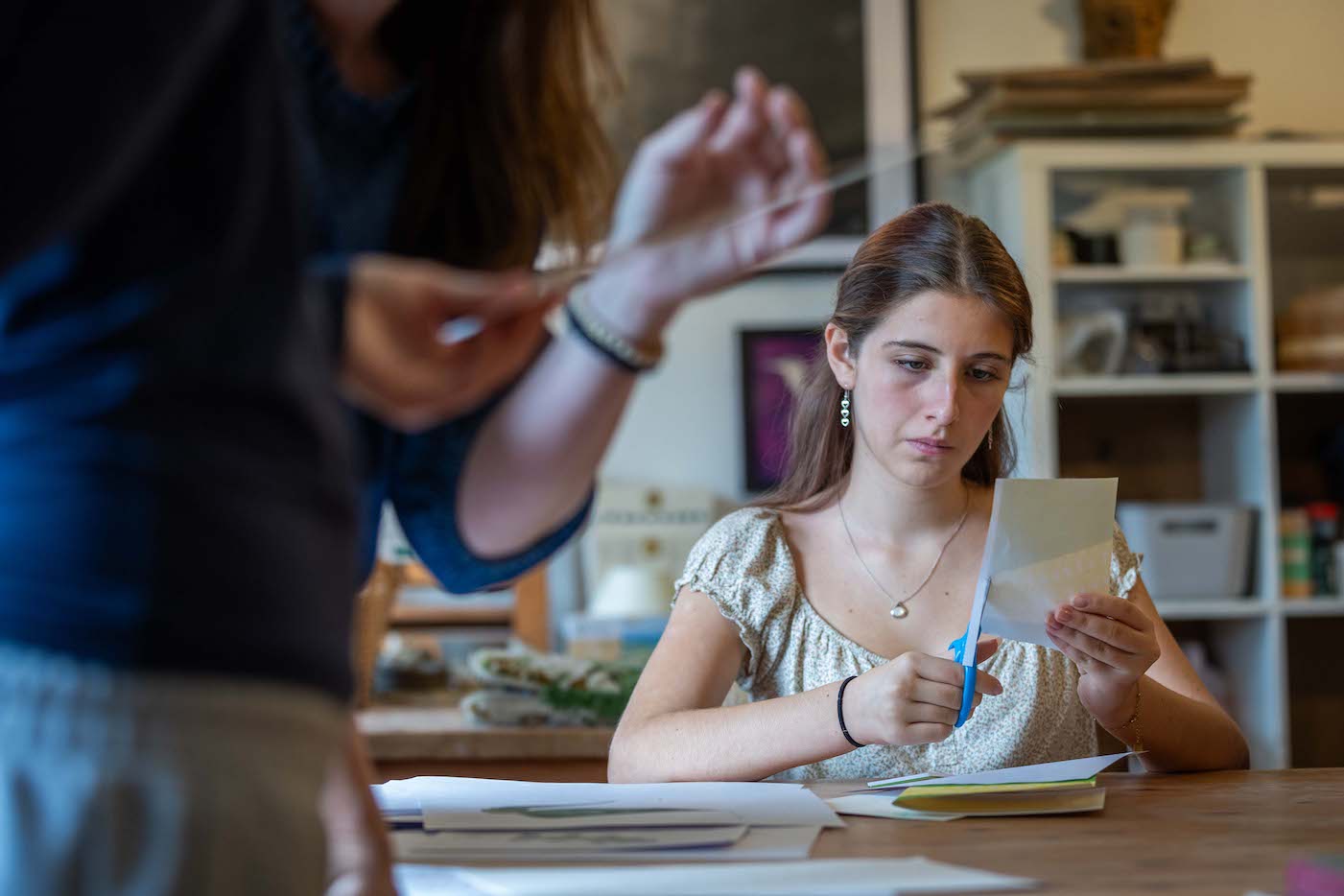
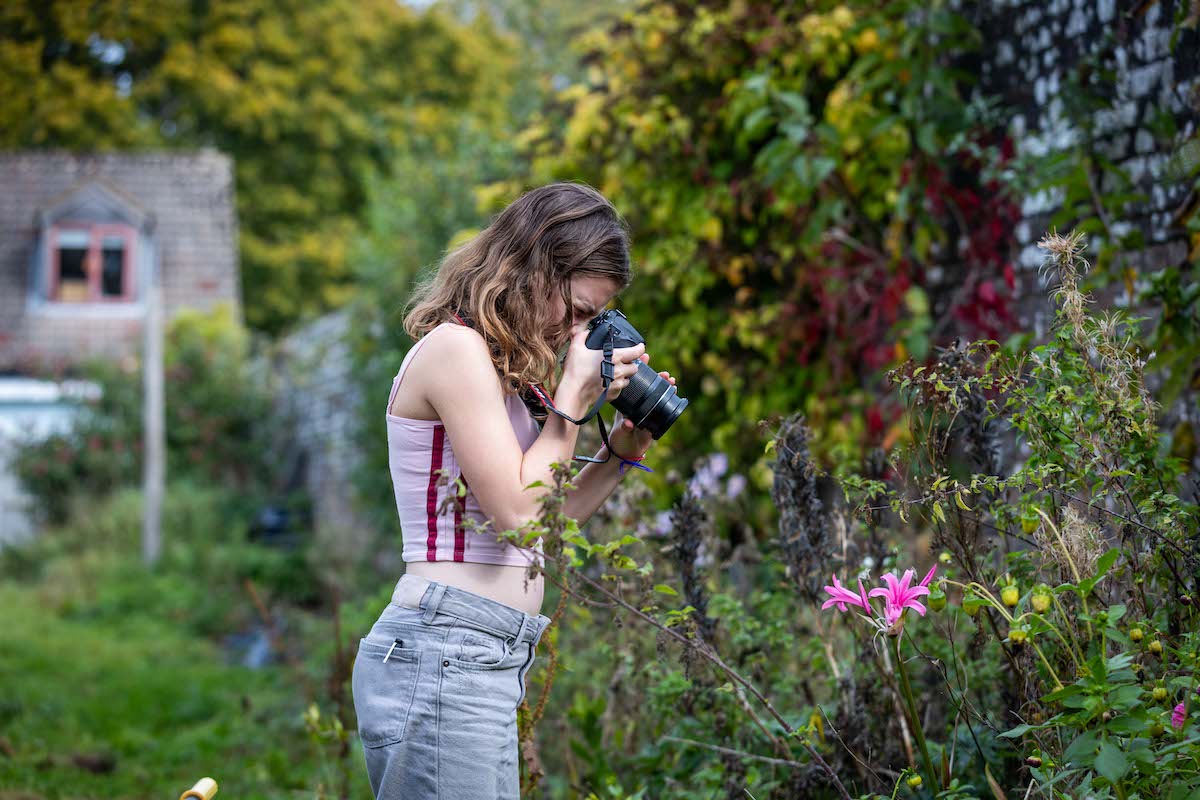
Young people at work in the Young People's Community

The prepared environment

A place shaped for the work of the teenager.

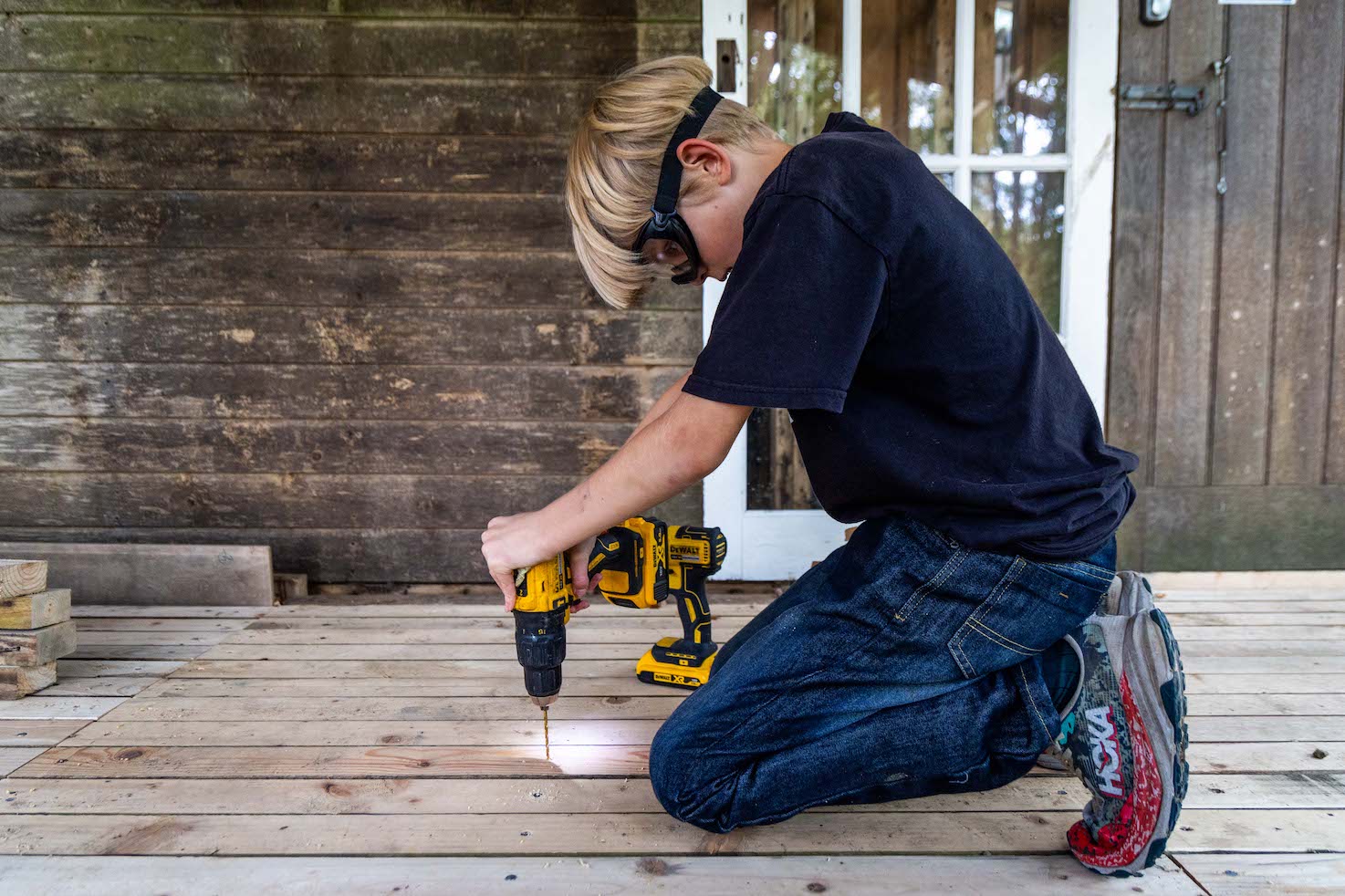
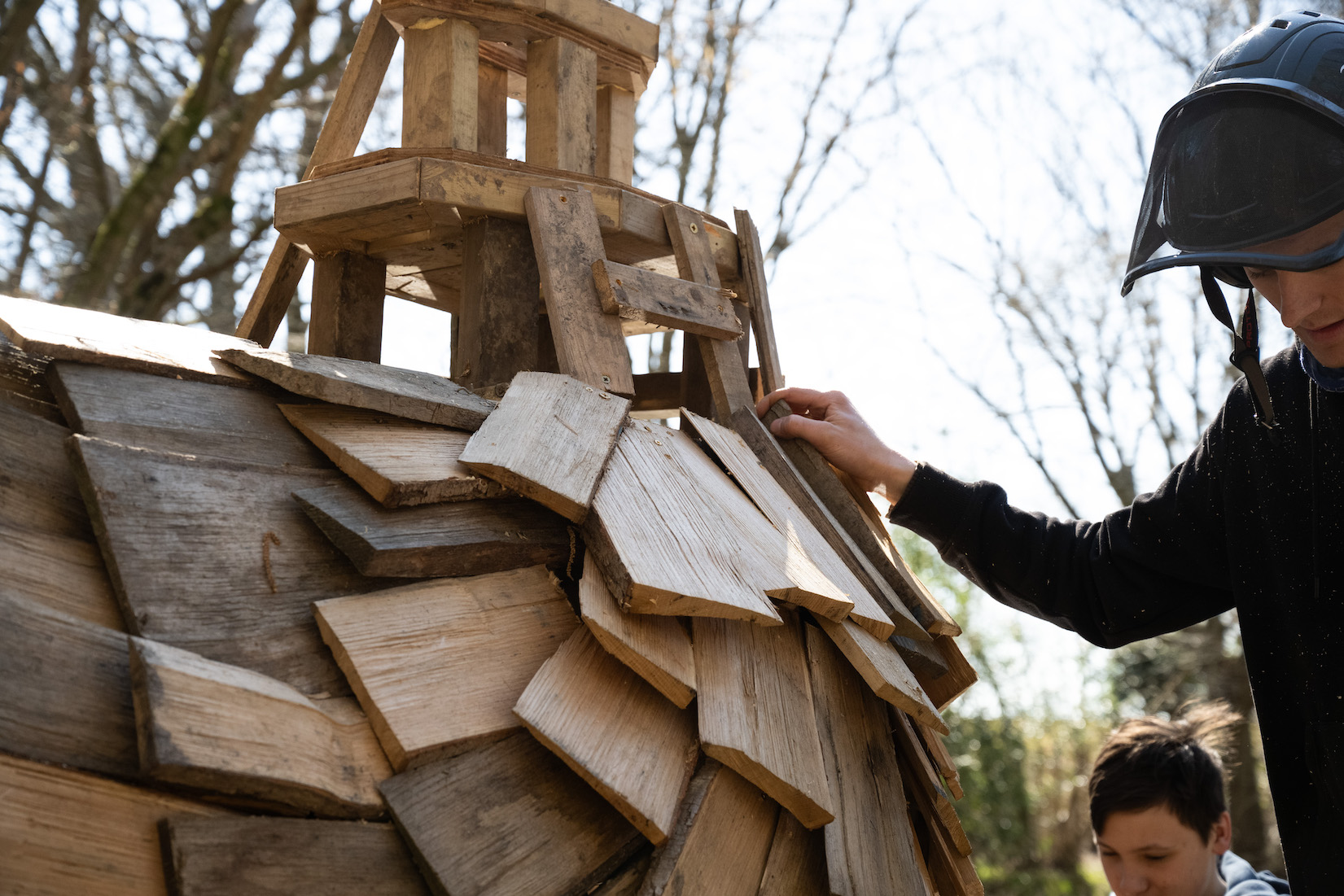
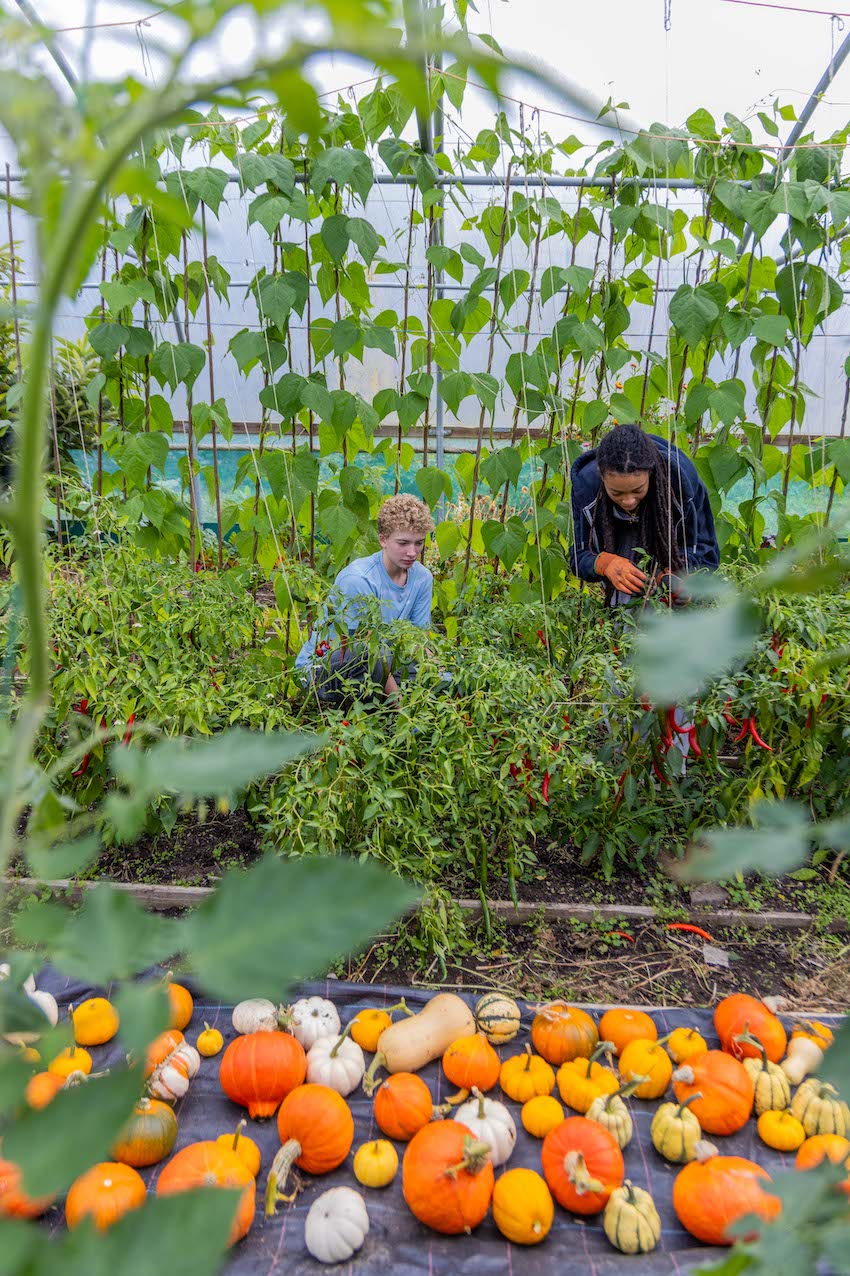
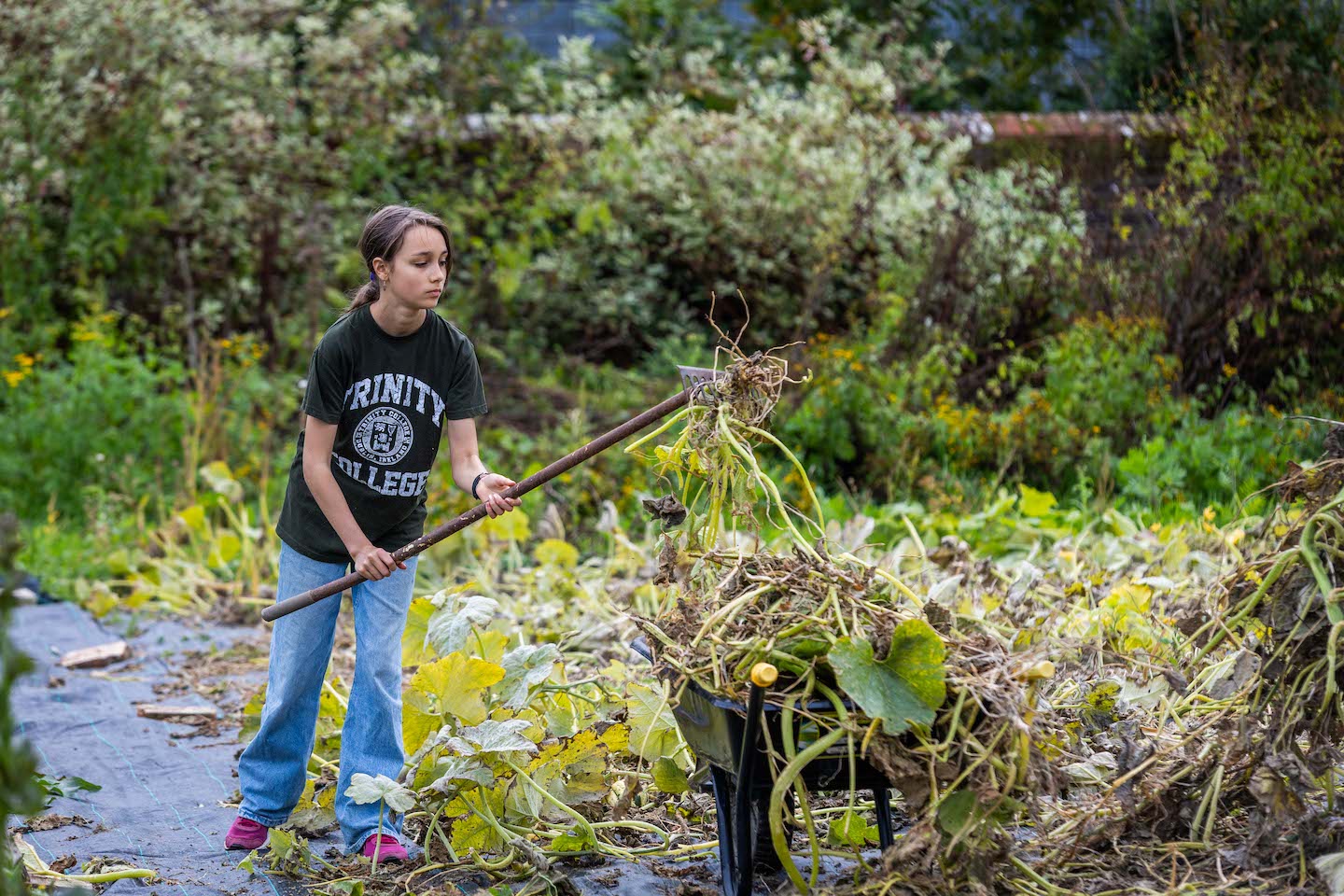
The setting extends beyond the classroom to a residence, a commercial kitchen, a one-acre organic market garden, a workshop and a ten-acre woodland, all of which create opportunities for practical work that supports and complements academic study.

  • Study
  • Real work
  • Production & Exchange
  • Mixed-age community
  • Residential (Flexi-boarding)
The prepared environment of the Young People's Community

Scroll for more →

What children experience

The rhythm of the Young People's Community.

Young People's Community

Study

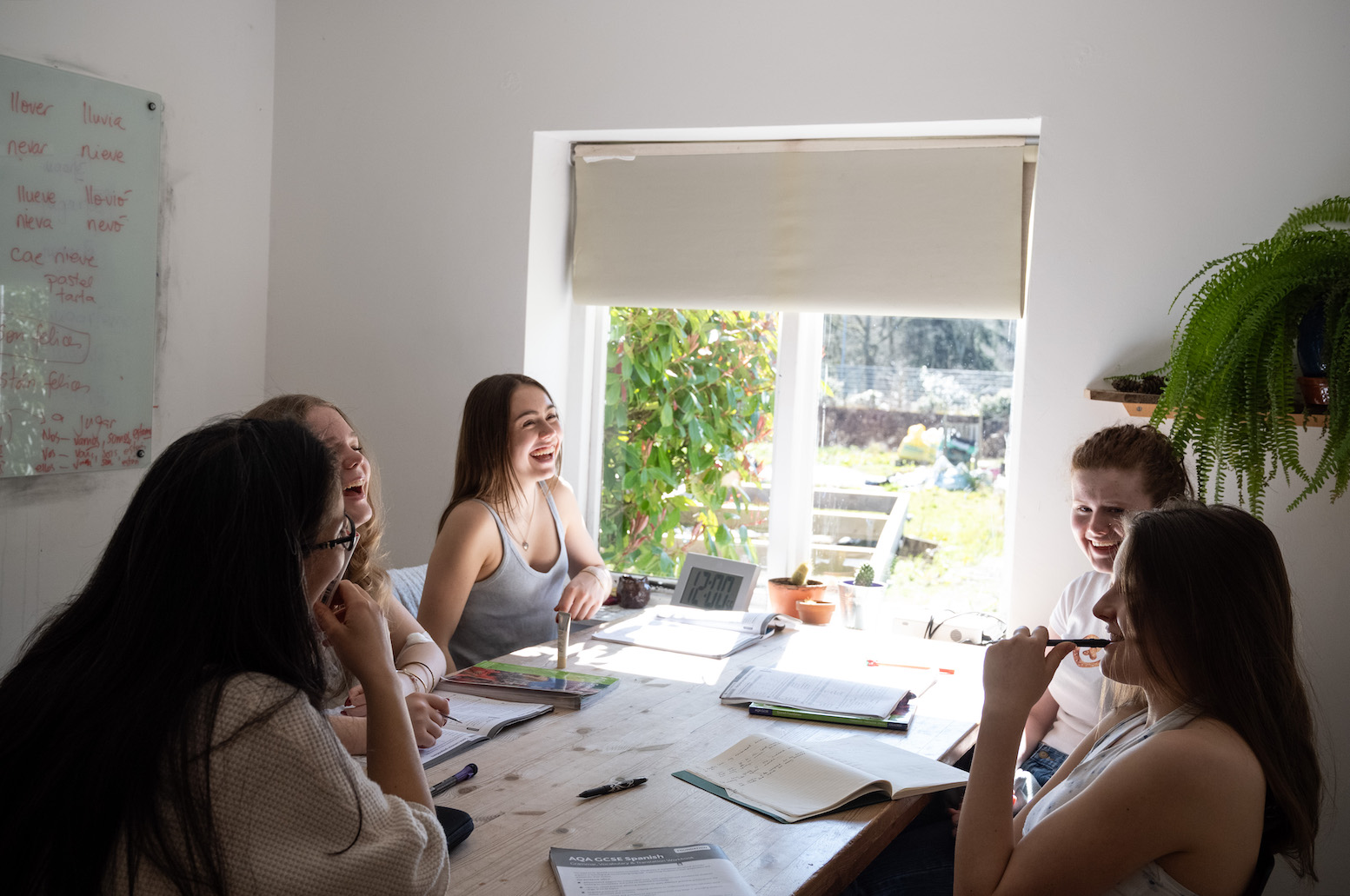
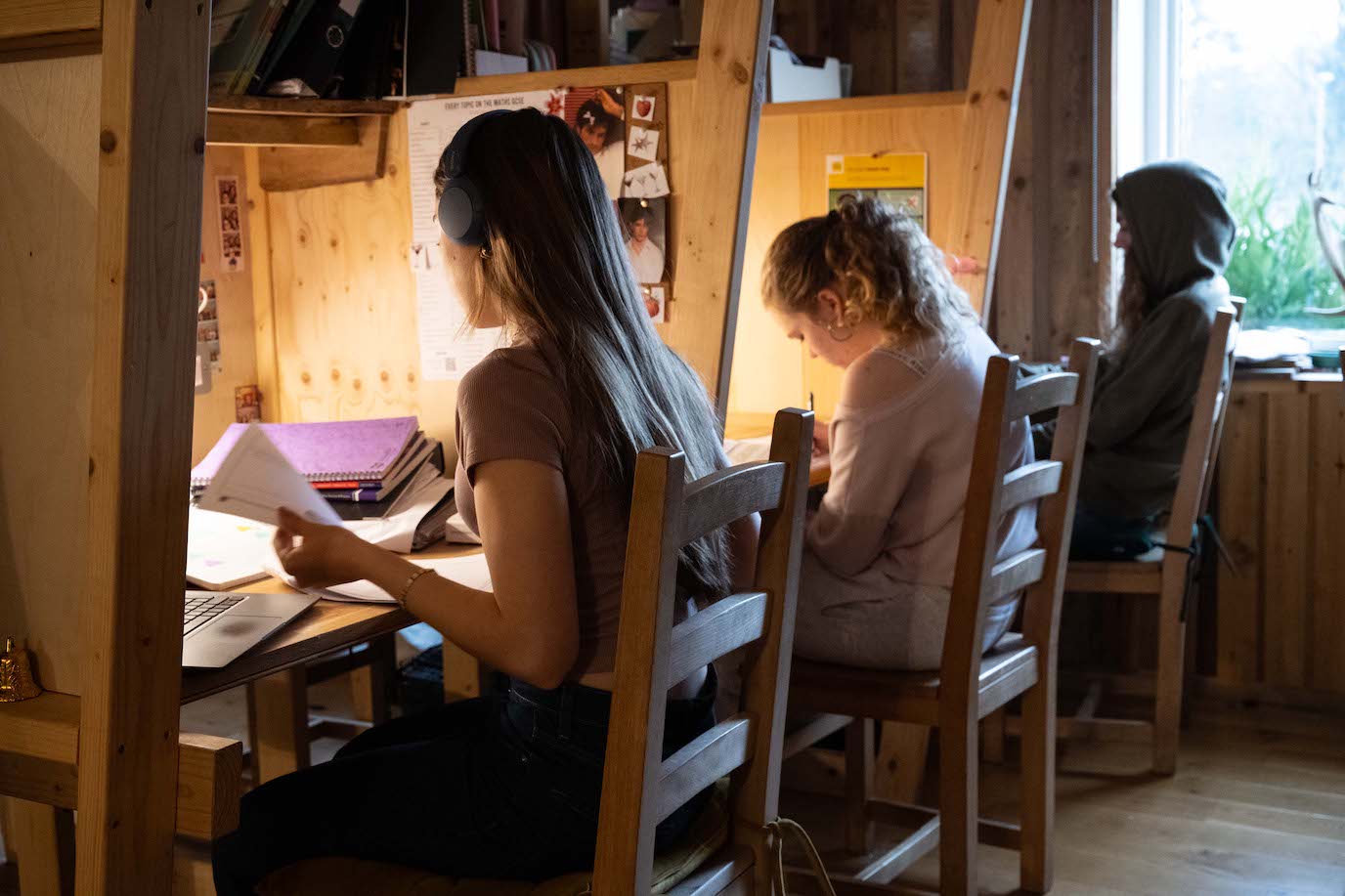
The arc of study over the 6 year period of adolescence begins where it left off from the Elementary: the devoted pursuit of knowledge for its own sake. We take seriously Montessori's emphasis on not treating human beings as buckets for knowledge, but keeping alive in each individual the burning light of their intelligence. Study is both individual and collaborative, with a balance of organised lessons and time for independent and group work. In the second half of adolescence (15-18), teens naturally turn towards the question of future contribution and gateway qualifications, at which time they welcome standardised testing.
Young People's Community

Real work

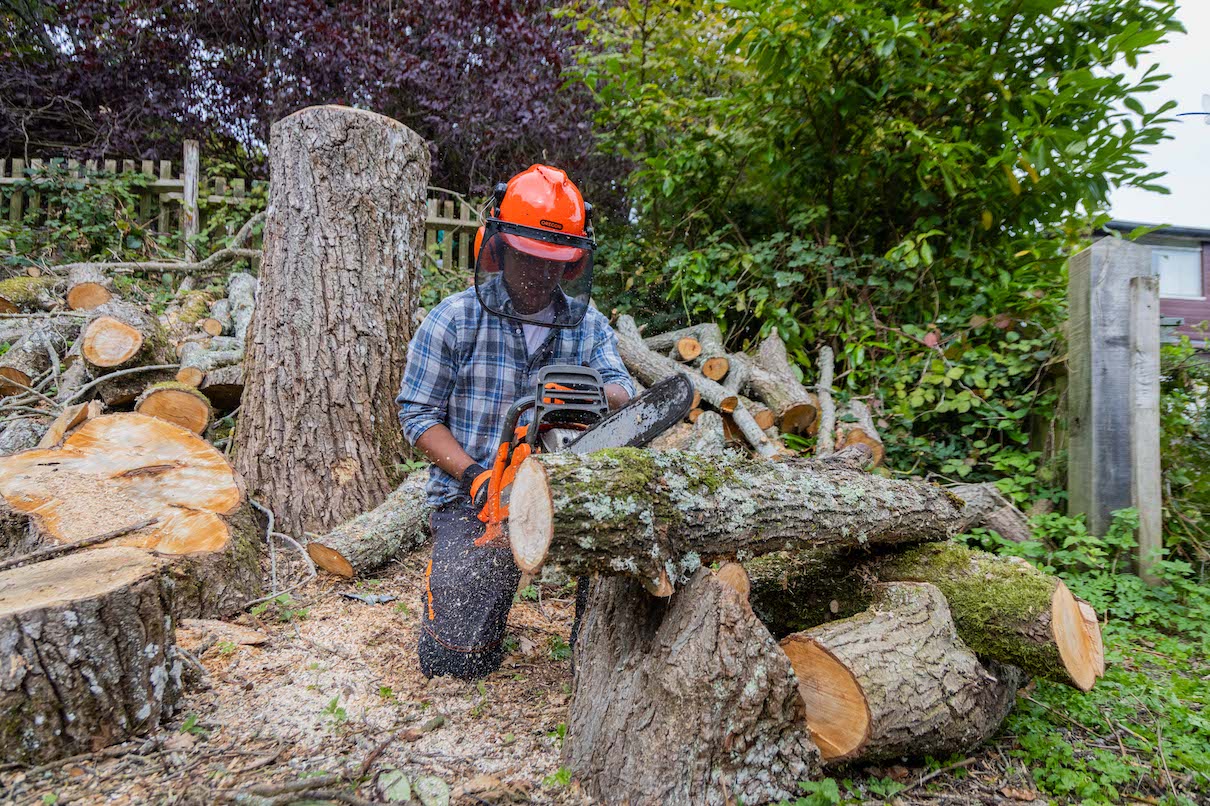
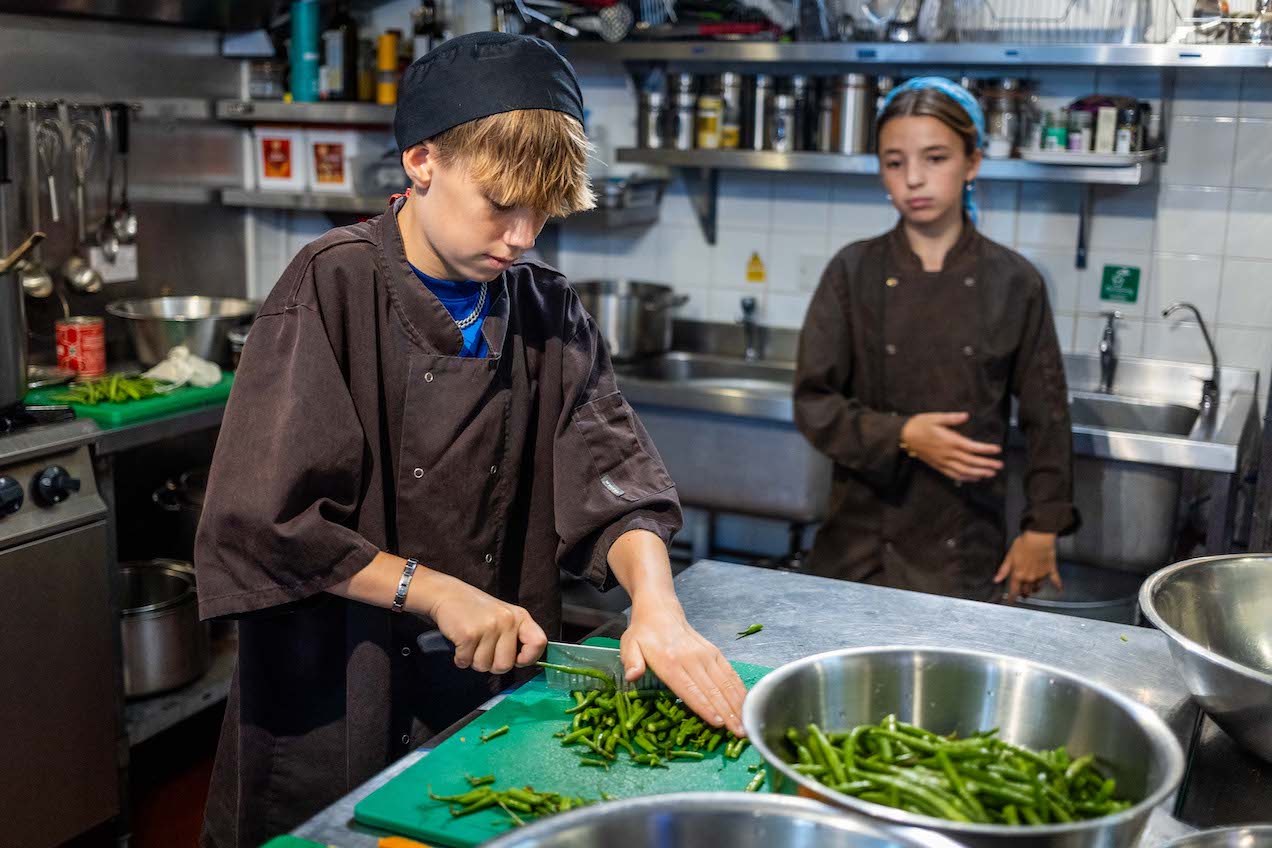
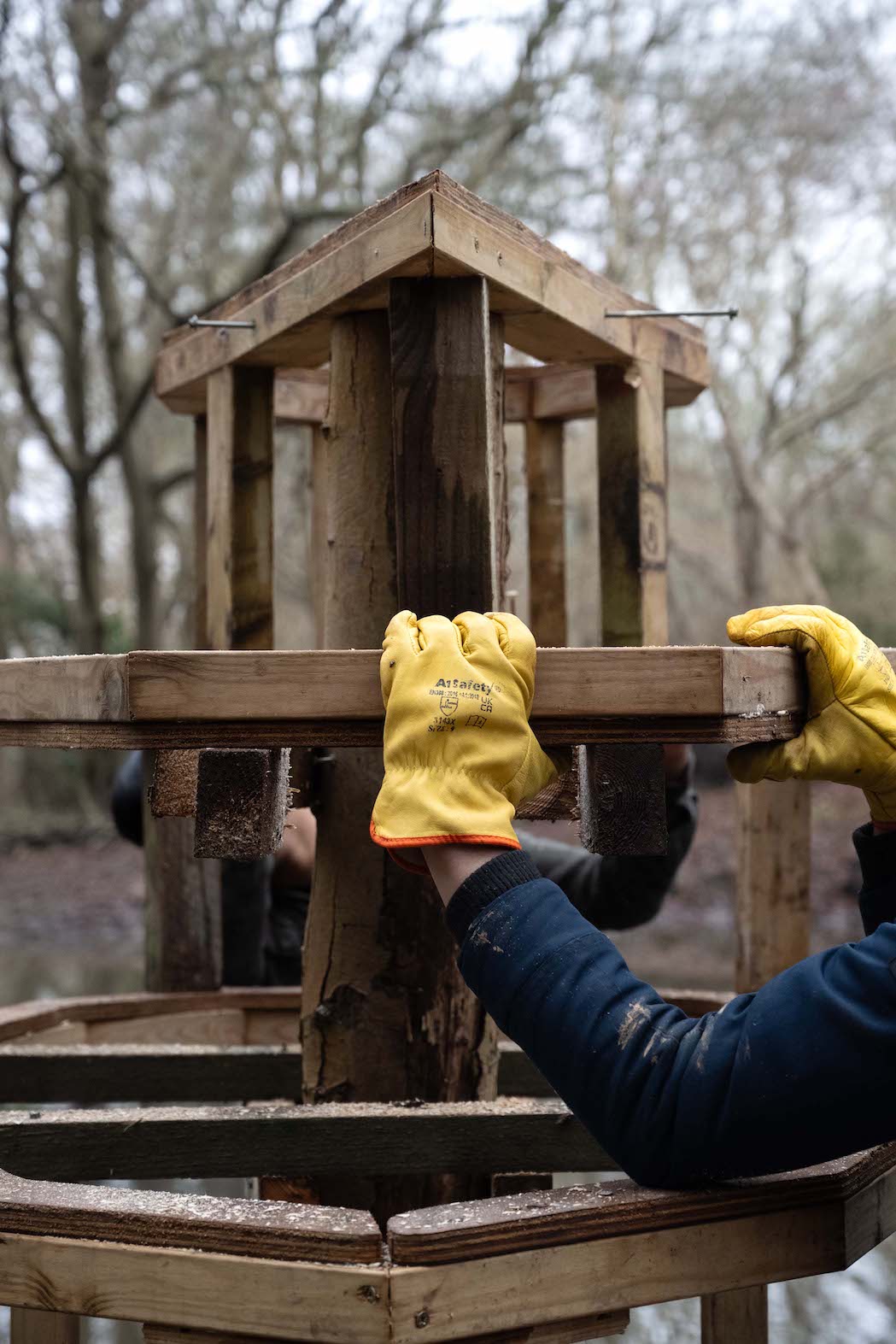
The serious intellectual programme is interwoven with the discipline and dignity of real work. The young people work together, across the ages, to maintain a 1 acre organic market garden (Soil Association certified), run a commercial kitchen preparing over 1000 meals a week for the school, undertake the ecological stewardship of our 10 acre ancient woodland, and learn to repair, maintain and renovate our school buildings.

Young People's Community

Production & Exchange

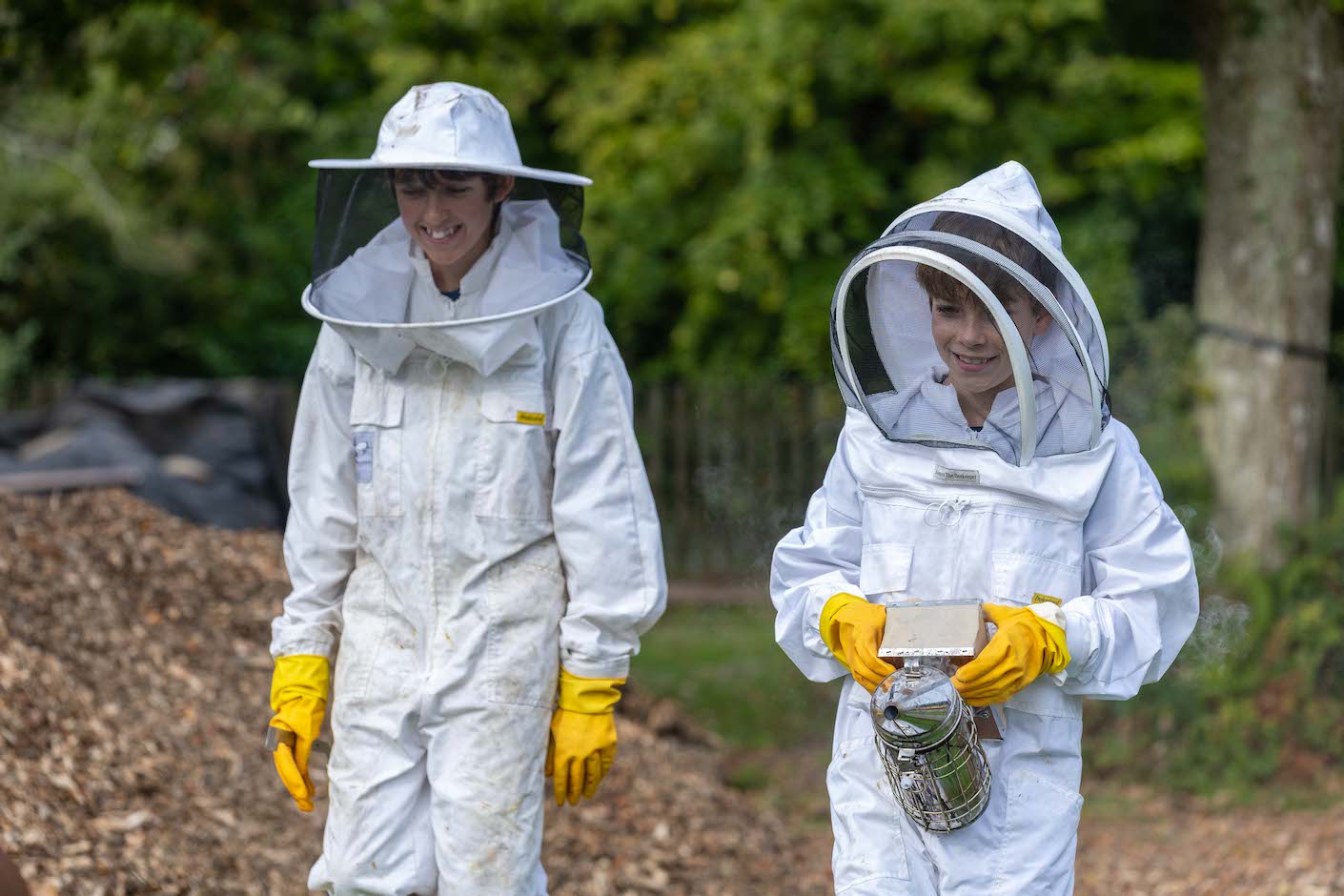
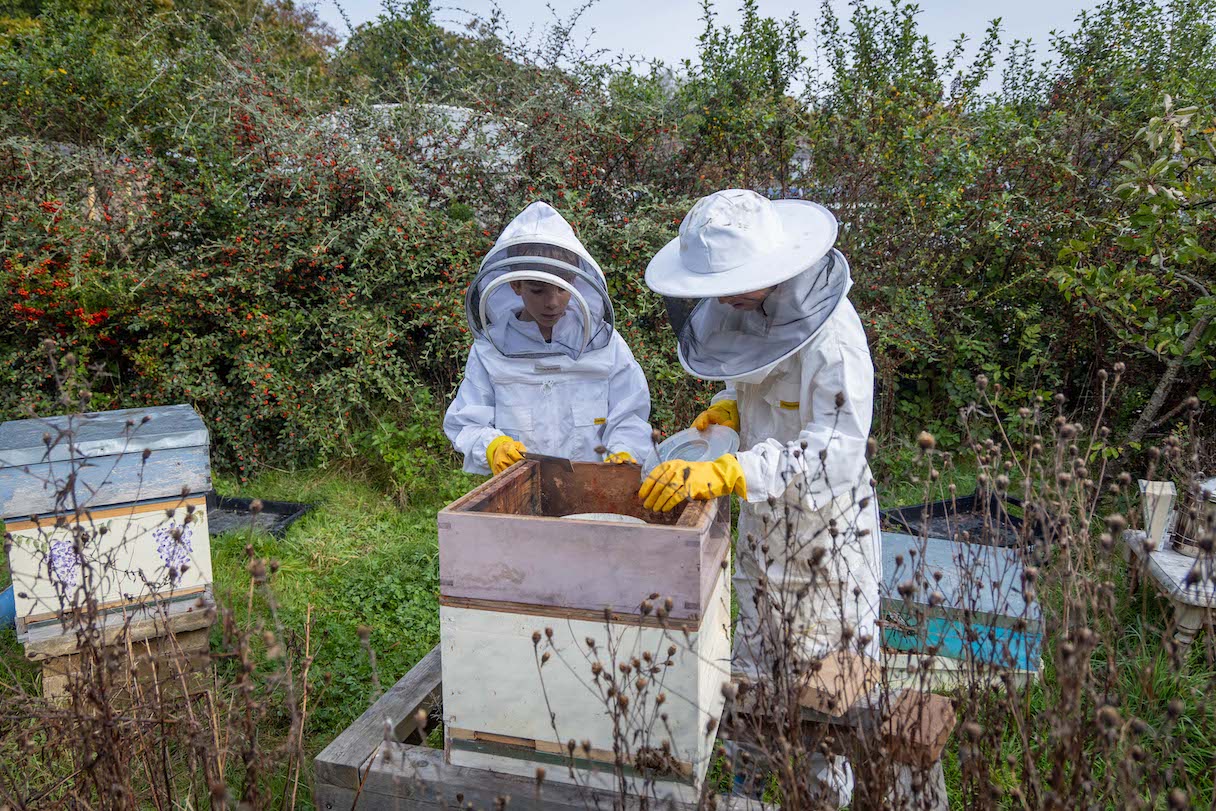
Young people plan, cost, produce and sell, with real consequences and real earnings. They operate a vegetable box scheme, care for a number of bee-hives and sell the honey they harvest, manage a woodland, selling woodland products such as firewood, and run a 4-bed AirBnB on our site. At community meetings the teens make financial decisions on income and expenditure related to community life.

Young People's Community

Residential (flexi-boarding)

Boarding gives young people greater independence and responsibility, while living and working alongside others develops practical and social skills for adulthood. There is remarkable growth and maturity that comes along with the boarding experience, together with the unique joy of being together with other young people in these teenage years.

Young People's Community

Mixed-age Community

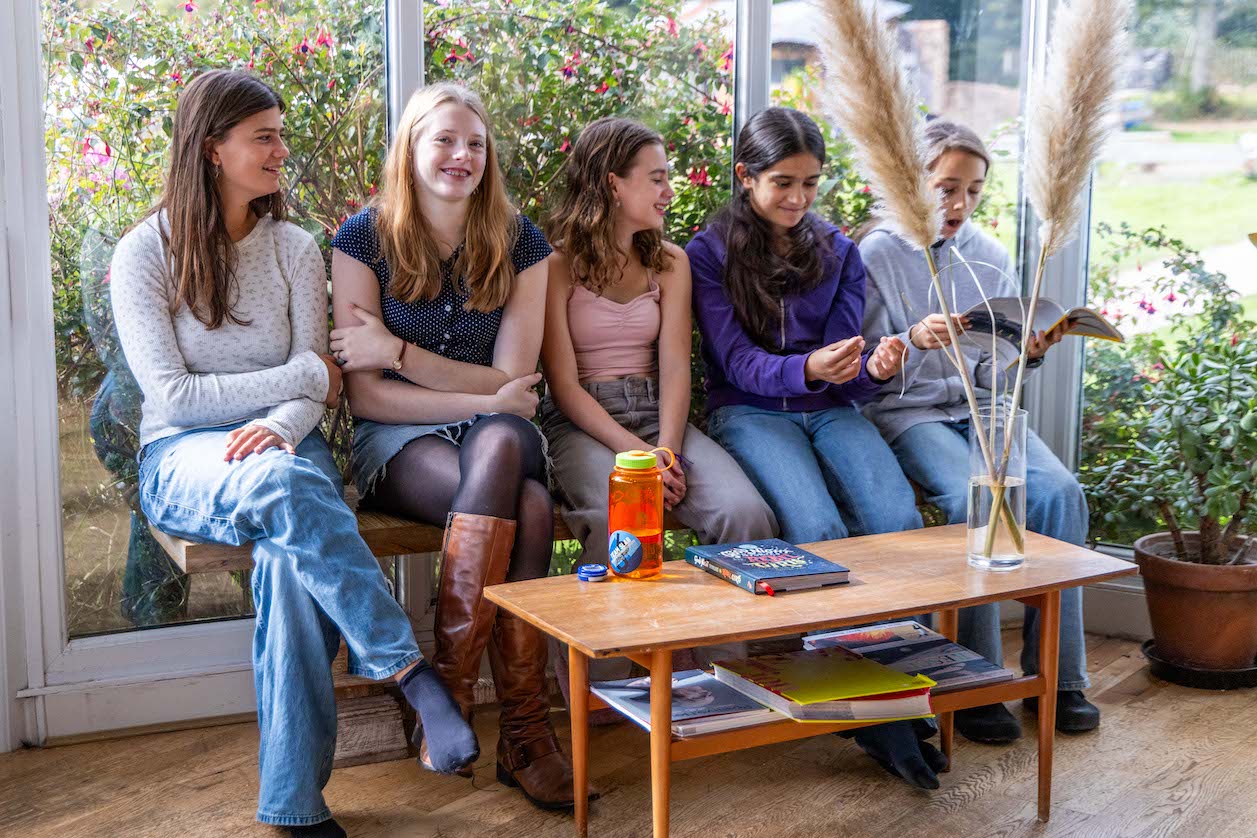
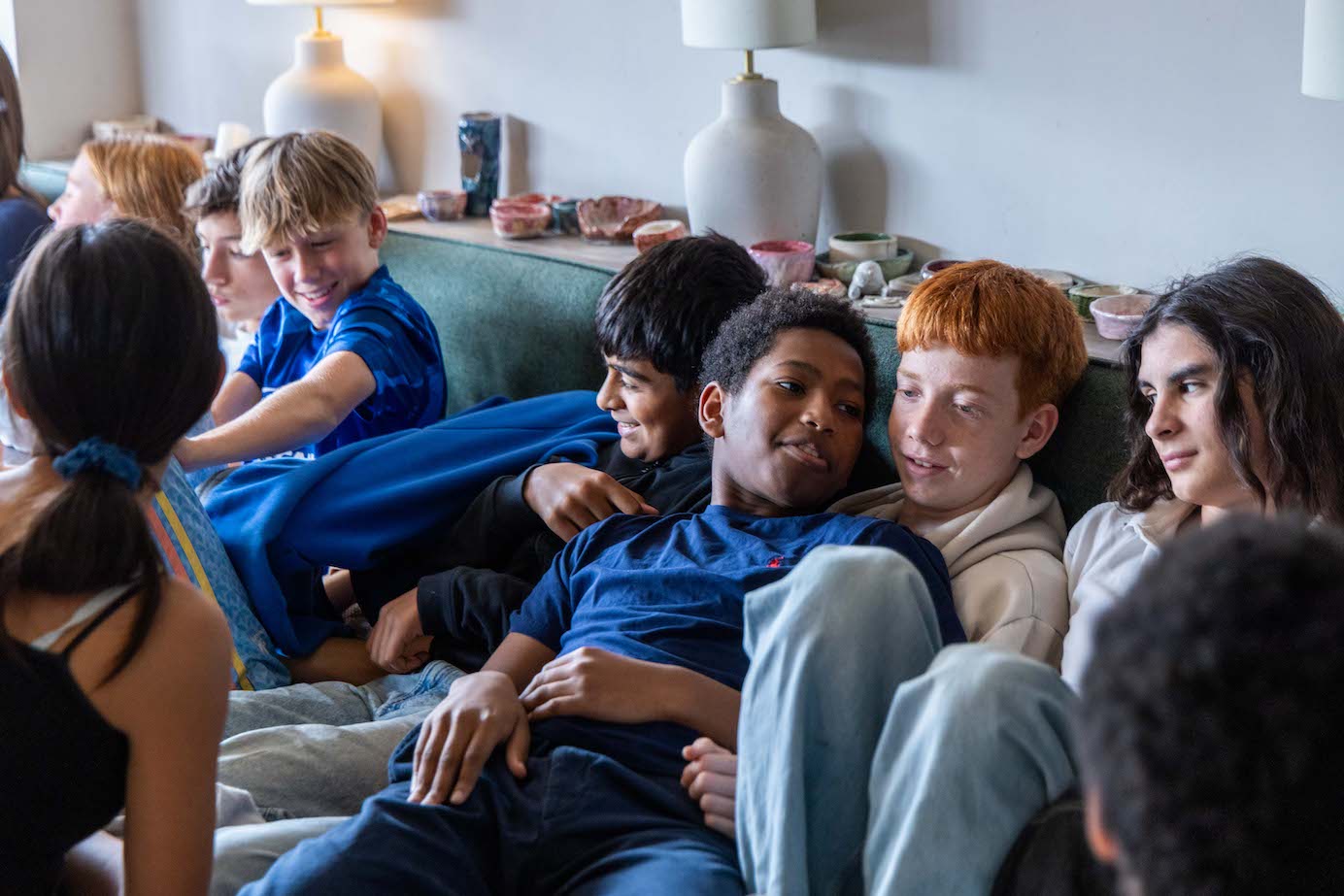
Meetings, shared meals and shared responsibility form the moral centre of the programme. There is a sense of belonging which is palpable, and the young people are proud of their community. Older ones care for and nurture the younger members of the community, younger ones look up to the older ones and respond eagerly to their guidance.

Young People's Community

Independence

Young people learn through daily experience what it means to be relied on by others. The emphasis on a practical independence in the first half of adolescence leads to visible character development. What naturally emerges in the second half of adolescence is true independence of mind, a confidence in one's ability to meet a situation, an ability to lead, and an appreciation for how everything is connected.

A typical day

Study, work and shared responsibility.

The day begins together, with young people reviewing what needs doing - individually and collectively - and taking on the practical jobs that keep the place running.

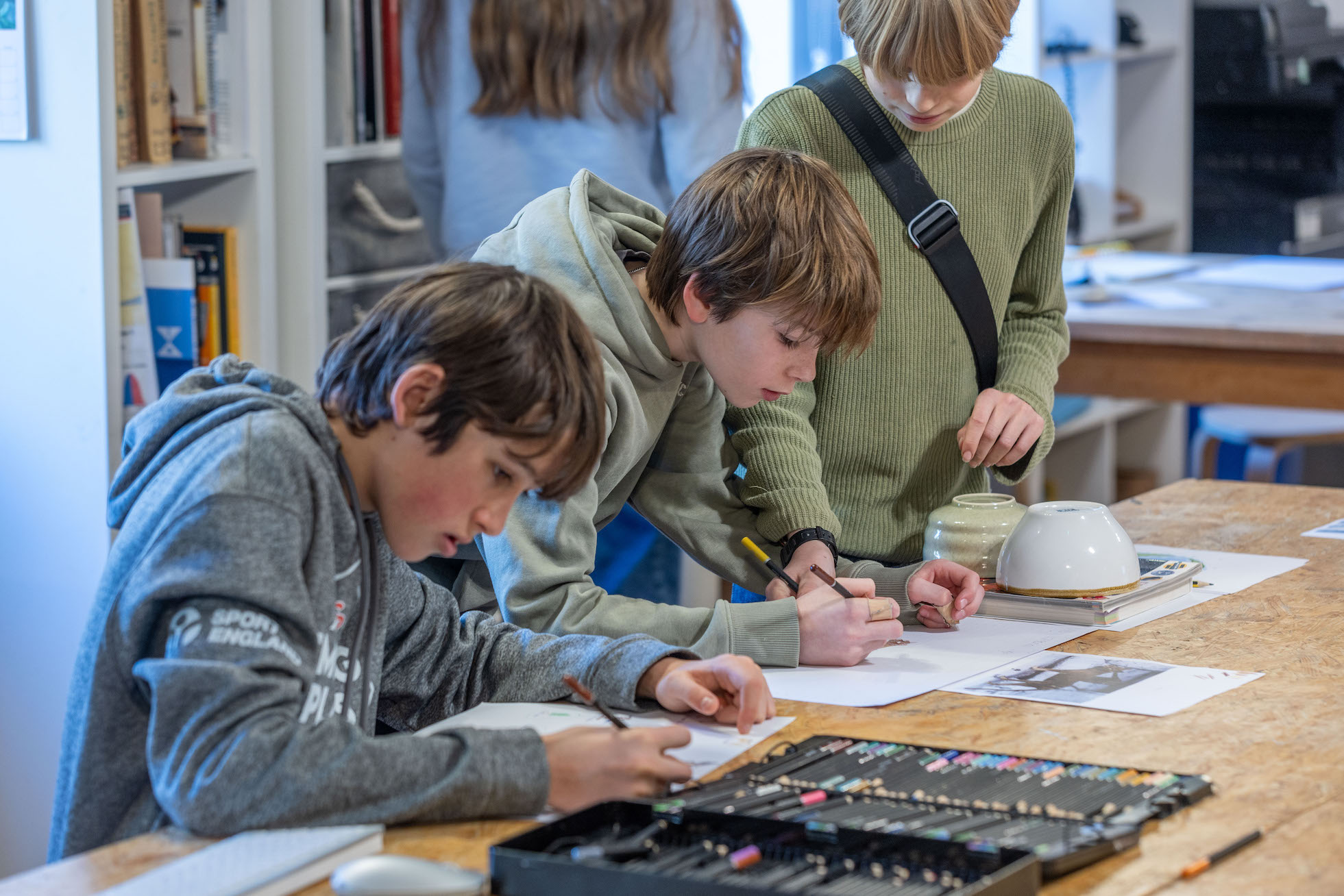
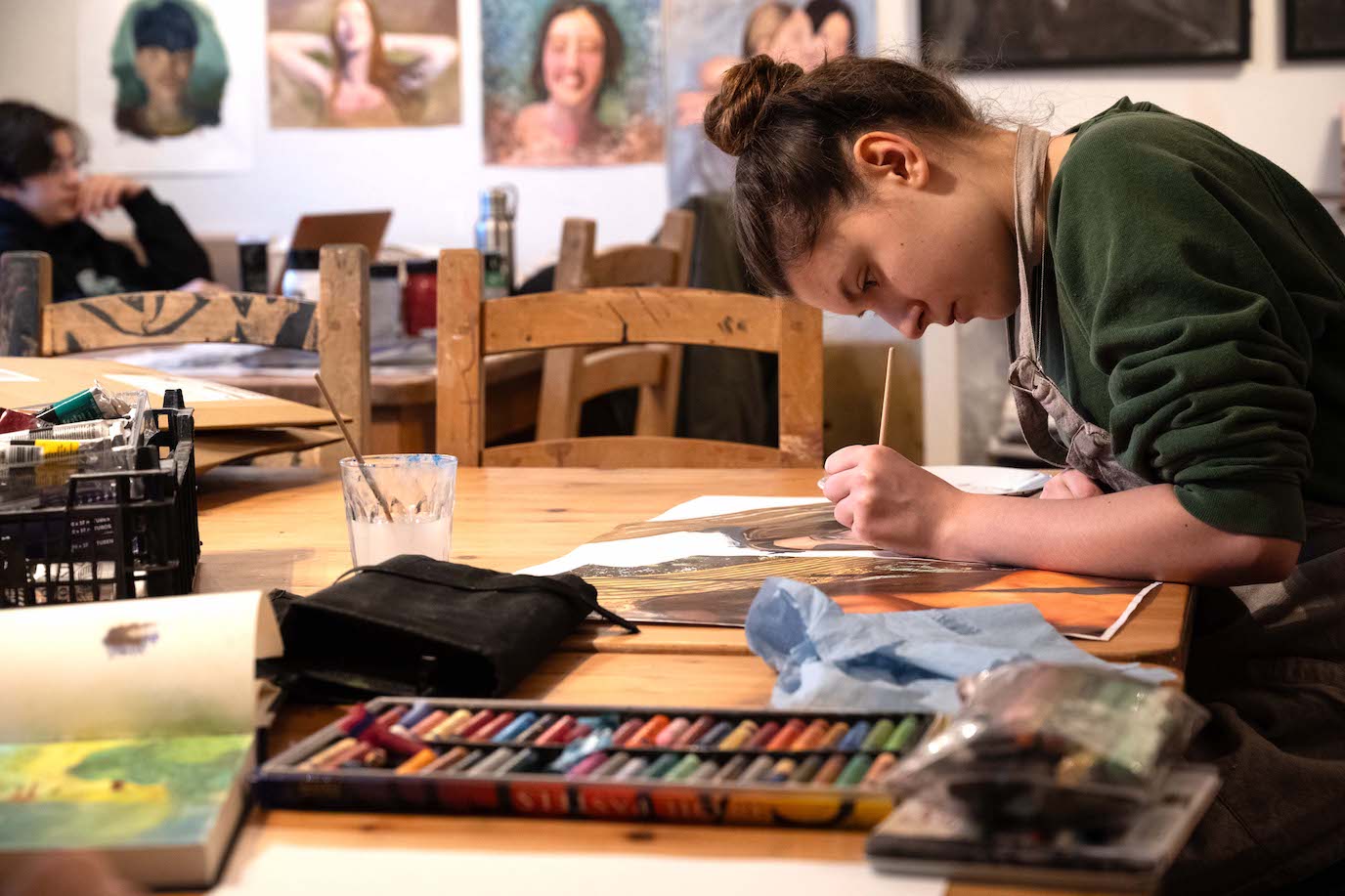
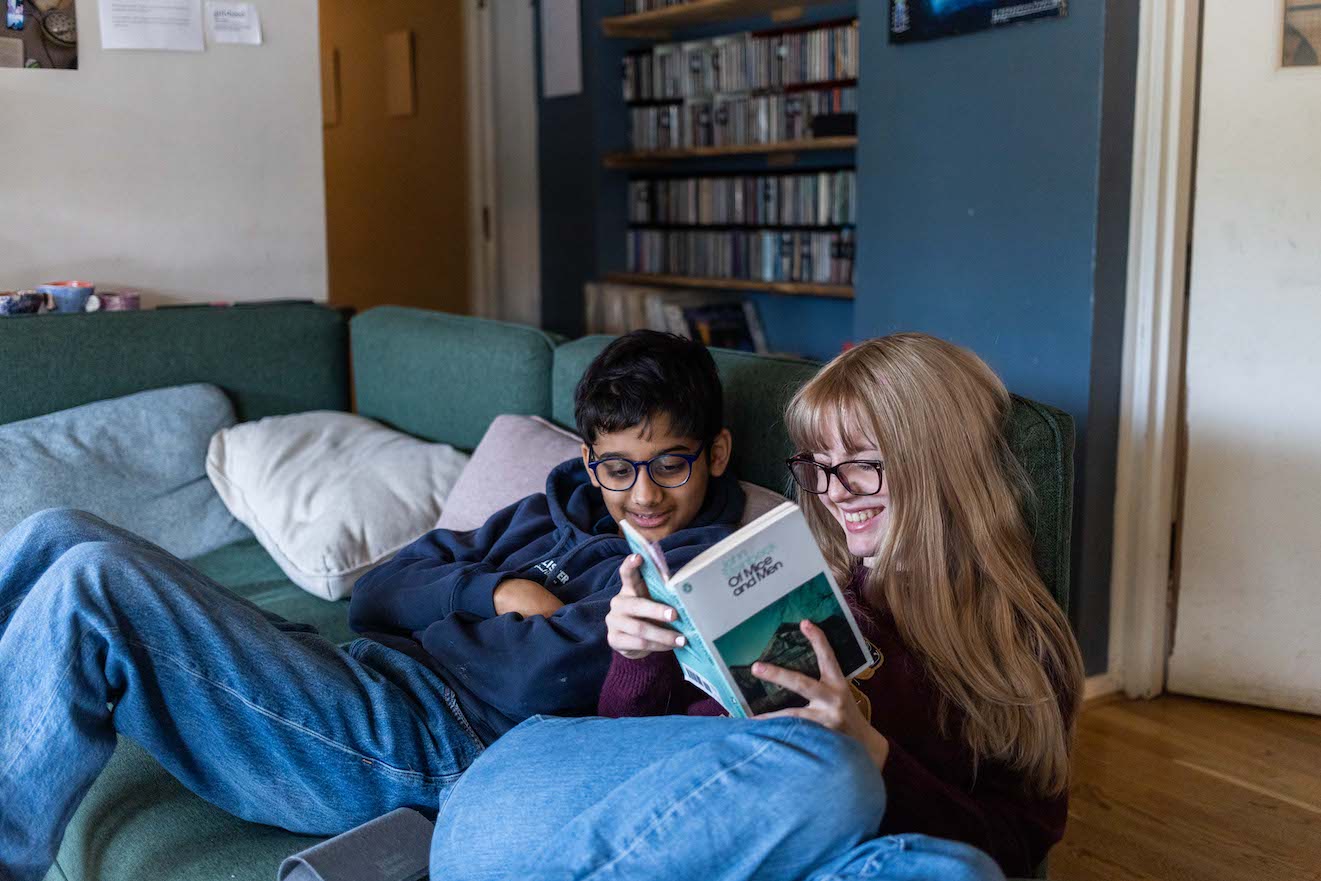
Small group discussions make up the academic core: discussing, writing, mathematics, the arts, sciences and humanities, with substantial independent study alongside.

Real work and production & exchange occupy meaningful parts of the week: young people work in mixed-age teams to grow, tend, build, cost, produce, and sell, with genuine consequences.

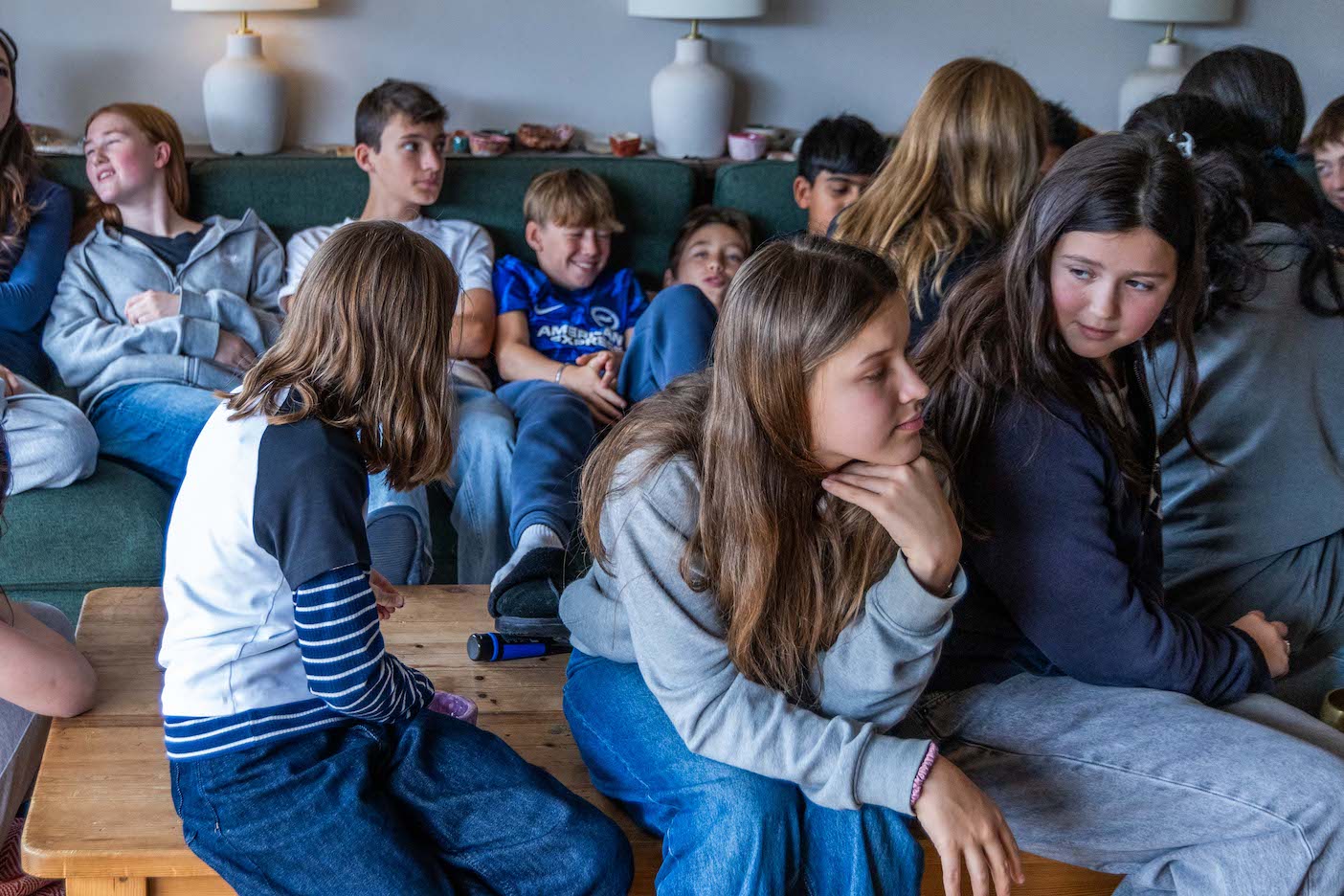
Meals are cooked and shared together, and regular conversations within this 12-18 mixed age community give young people a real voice in decisions each day. The teens are active agents and co-creators of their own experience.

A moment from the day in the Young People's Community

From the environment

Moments from the Young People's Community.

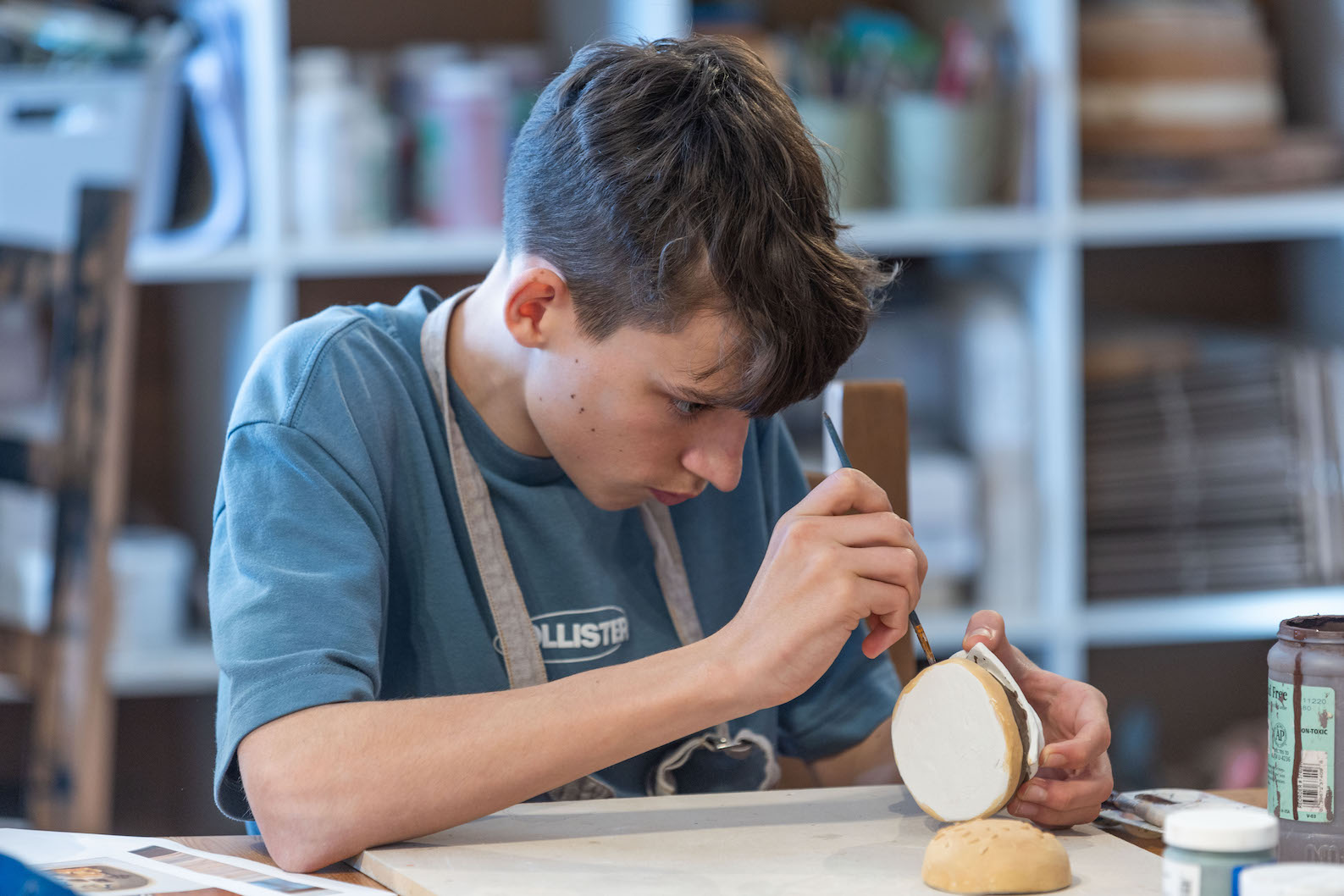
A moment in the Young People's Community

Where

The Young People's Community is based at our Eason's Green site.

Frequently asked

Questions parents often ask.

Answers will be confirmed with the school office. In the meantime, please contact us for anything specific.

The next step in the journey

Meet our Alumni